Edited: February 2026

About FRUiTS
This magazine article was written for the latest English revival issue for FRUiTS magazine. FRUiTS is a Japanese street-style magazine featuring a collection of photographs from the creative hubs of Harajuku and Shibuya in Tokyo. The magazine aims to bring attention to the unique and innovative style of the Japanese youth primarily during the late 90s and early 2000s. With the revival issues, FRUiTS founder Shoichi Aoki hopes to inspire a sense of nostalgia in the newest generation of fashion trendsetters all over the world. This article gives an exclusive look at how psychology can be used to explain what makes these subcultures so innovative and novel at the time. Psychological theories on development and emotion are employed to weave a compelling narrative of the history and future of the creativity of Japanese fashion subcultures.
The Big Bang of Harajuku: An Introduction
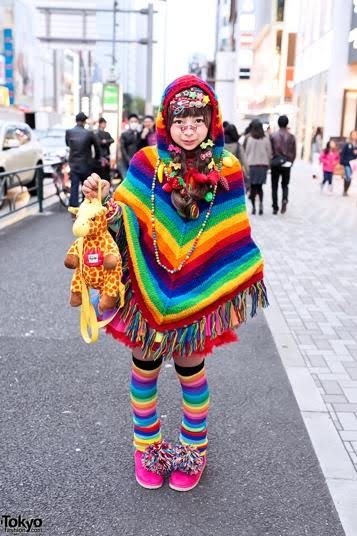
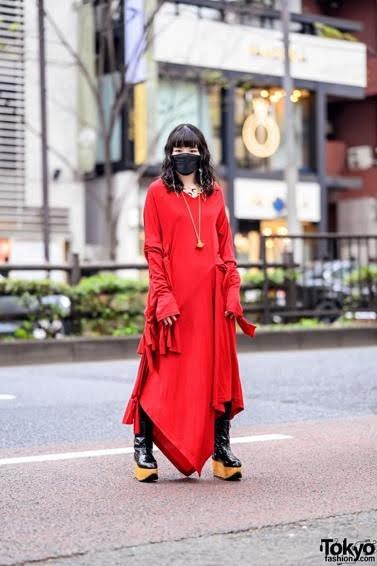
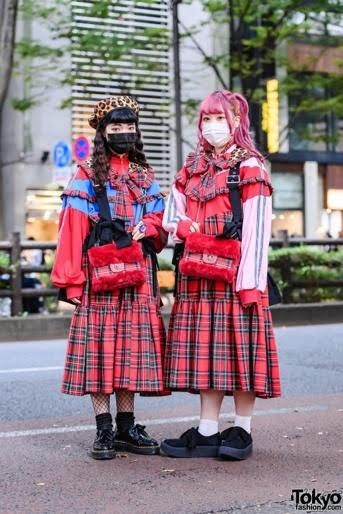
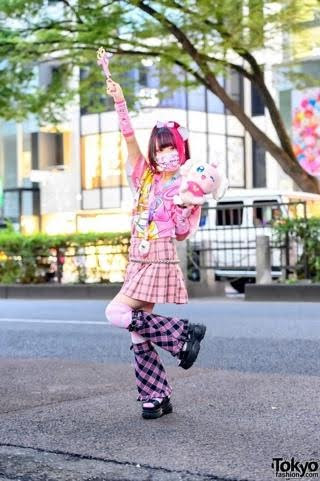
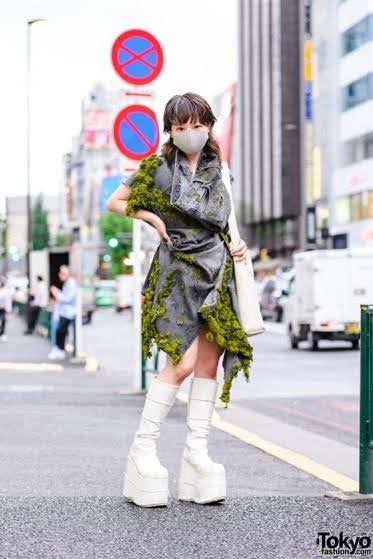
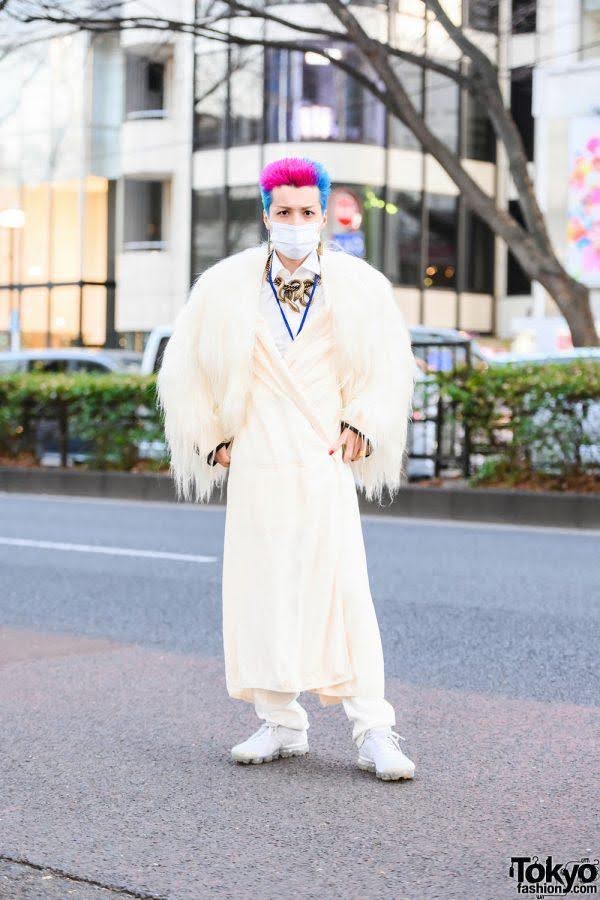
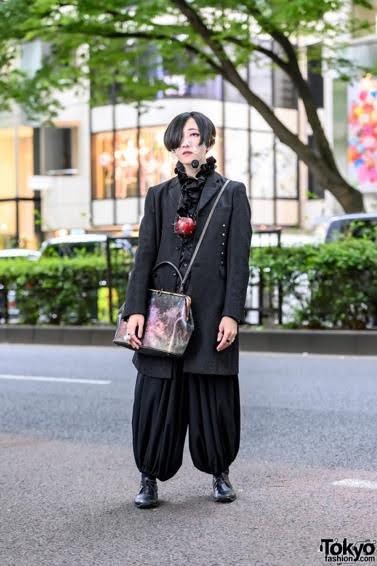
Vivid shocks of bright hair, layers upon layers of textured fabrics, plastic candy-sweet jewellery, and the most densely maximalist style you've ever seen. These are just some of the ways to describe the Harajuku subcultures and their fashion sense. Subcultures are widely known as groups of youths who reject the dominant values in a society, leading to the creation of their own system of values, lifestyles, and even fashion sense. Subcultures theorists trace the emergence of Japanese subculture fashion back to the 80s post-war era, influenced by the British rock and punk scenes. But Ted Polehmus, fashion anthropologist and writer, believes that the real explosion of colour and innovation happened in the 1990s, as the disillusioned youth emerged from the Japanese economic crisis wanting more than just an emulation of Western styles, but an “eclectic mixing and matching that was not replicated anywhere else”. The most famous examples of these fashion subcultures that are still popular today are the Lolita and Decora styles.
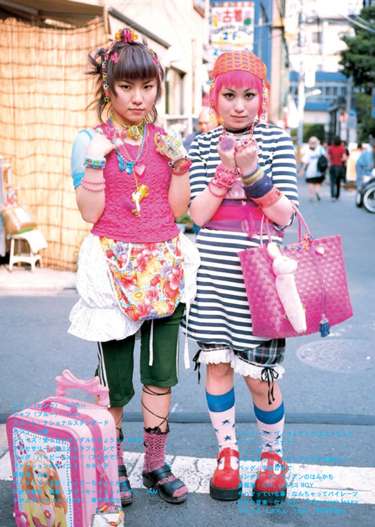
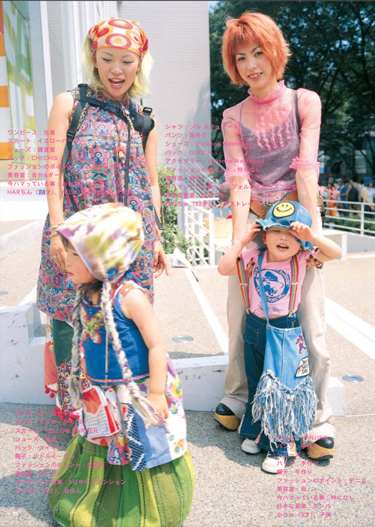
In an interview with Baker in 2017, Shoichi Aoki fondly remembers his reasons for starting the FRUiTS:
“In 1996, the new fashion in Harajuku was born. I believed that was the fashion revolution in Japan… the fresh, colourful harvest of Japanese fashion… I decided to make it my project to record street style.”
How did this “fresh, colourful harvest” develop amongst the artistic genius of Japanese teens? Is this creativity an innate imagination of Japanese youth or the result of external influences? We can look to developmental and emotional psychology to answer these questions and how they relate to creativity.
“It's not a phase, mum!”: Identity and Self-Expression During Development
Innovation amongst Harajuku fashion can be traced to teens' and even young adult's development of their self-identity and expression. Theories of psychosocial development are centred around different stages of development where a crisis must be solved at each stage in order to progress to successful development. At 12-18 years old, and even into university years, most young people attempt to solve their first identity crisis by exploring values, gender roles, and social groups that are different to their parents', eventually leading to long-term stability in their sense of self. Think back to your emo phase and how your thick black eyeliner and chunky highlights shocked your mum speechless.
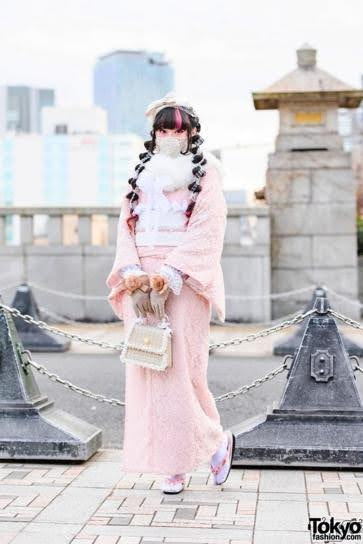
Other research suggests that teens use creative self-expression as a coping mechanism for the internal struggles they face in such a turbulent time of identity development. Having a creative outlet almost acts like a release valve for all the stress and teen angst they feel. For the Japanese youth in the 90s and early 2000s, they were exploring Lolita, Decora, Gyaru, and many other styles in an attempt to break against the mould of previous generations' values and the monochromatic drudgery of school uniforms. We can see this quite clearly in the quiet rebellion of the Lolita subculture. One Lolita scholar noticed how they tended to be soft-spoken, hyper-feminine, and otherwise wholesome, as compared to the typical image of unruly punks of 1980s London. In a society where everybody is meant to be quiet, private, and orderly in every aspect of their lives, “Lolitas” found a way to be loud in their self-expression through their extravagant Victorian-esque dress. Japanese teens and early adults were able to channel their newly discovered values, interests, and sense of self into creative fuel, eventually leading to the explosion of the different fashion aesthetics for each subculture.
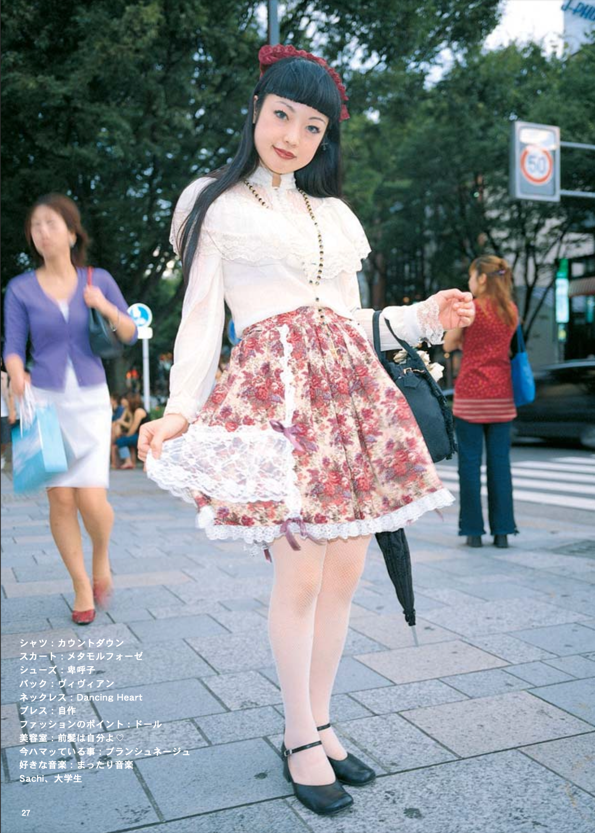
Interviews with some Lolitas also reveal that they use the characteristic child-like behaviour and interests as a way to escape from the pressures of Japanese society. Juxtaposing child-like behaviour as an adult allows them to “temporarily deny adulthood”. Moreover, this subculture provides a safe space for experimentation with gender identity and often intersects with LGBTQ+ exploration. Beyond the ruffles and lacey umbrellas, Lolita fashion showcases the dynamic dance between creativity and identity, highlighting the importance of how self-expression is used to fuel Harajuku subcultures' artistic rebellion.
Loving Your Hobbies Makes Them More Fun: Positive Emotions in Creativity
There is a general agreement that positive emotions can make you feel more creative, which may seem at odds with the common idea of channelling your pain through art. From a large body of research, one interesting idea is that the way a task is framed can shape how good moods affect creativity. If the task is framed in a positive, intrinsically (AKA internally) motivating way, this leads to a more creative output, and vice versa. What does this mean, exactly?
Let's say you have to write captions for your listings on Depop. If you think of it as a boring chore just to get sales (extrinsic reward), your captions may turn out generic and repetitive. If you think of the task as a fun storytelling exercise for your archival Issey Miyake trousers (intrinsic reward), your captions may do justice to the piece's craftsmanship and individuality. How we approach tasks shapes our emotions and mood, which in turn drives how creative our output of that task is.
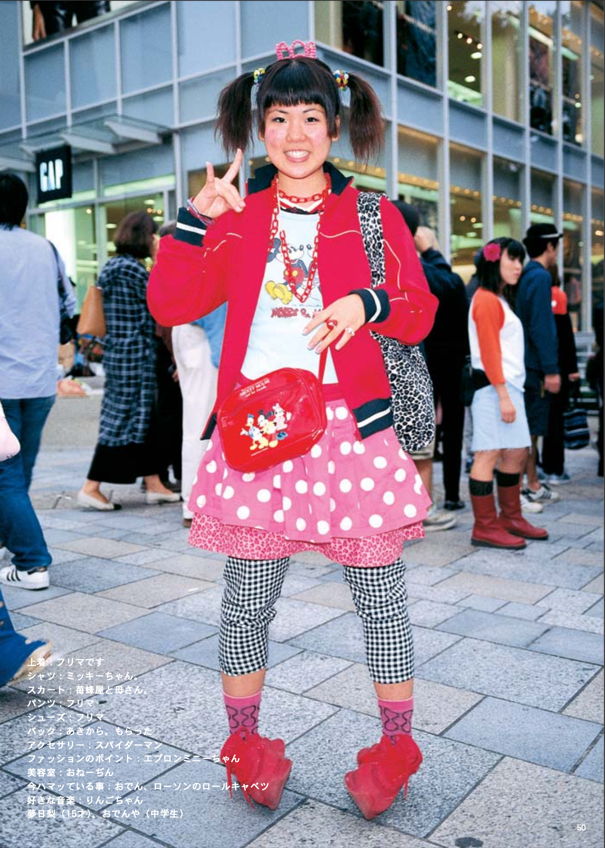
Arguably, creativity and enthusiasm is the core foundation of Harajuku fashion. For the Decora teens and young adults, the task of getting dressed every morning may be more than just putting one foot in each shoe, it's an art form. What's more, their individual outfit pieces can be associated with different anime or manga characters that are usually described as cute, or “kawaii”. This “kawaii” nature is central to the Decora style.
In the context of the emotions and creativity, “kawaii” objects can induce feelings of playfulness, happiness, and an enthusiasm to continue exploring what is of interest. One interview with an expert and practitioner of Decora fashion offers insight into how she takes inspiration from 1980s American fashion. She incorporated many aspects of this period into her style. Along with her established pieces, adding new accessories gives this Decora-lover a renewed sense of curiosity and wonder for the subculture, adding a new layer of creativity to her styling. She imbues such a personal and effortful meaning into her style that can only be seen as a keen and intrinsically motivated attitude towards assembling an outfit.
What is the Future of Harajuku Fashion?
With the return of FRUiTS, we are able to decipher the psychological whirlwind behind Harajuku fashion, but how can this predict the future of Harajuku fashion for consumers and brands? More and more, we are seeing the dichotomy between influencers who adopt Harajuku styles as costumes for new followers and the kids who love to use fashion as a playground for self-expression. Shoichi Aoki believes that the latter is coming back. A new style is bubbling under the vintage hello kitty hair pins, as Gen Z takes inspiration from their 90s forefathers. Maybe the future of Harajuku fashion lies in reinventing the old and fusing it with the new. All we know is the future of Harajuku fashion promises to be as captivating and innovative as ever, and FRUiTS is ready to show it to you.
References
- Ahmed, O. (2023-present). Harajuku girls: How Tokyo created the blueprint for Instagram [Audio po...
- Baas, M., De Dreu, C. K. W., & Nijstad, B. A. (2008). A meta-analysis of 25 years of mood-creativ...
- Baker, L. (2017, October 3). The outrageous street-style tribes of Harajuku. BBC Culture. Retriev...
- Barbot, B., & Heuser, B. (2017). Creativity and identity formation in adolescence: A Developmental perspective. In Karwowski, M., & Kaufman, J. C. (Eds.), The Creative Self: Effect of Beliefs, Self-Efficacy, Mindset, and Identity (81-98). Academic Press, Elsevier.
- Berzoff, J. (2011). Psychosocial ego development: The Theory of Erik Erikson. In J. Berzoff, L. M. Flanagan, & P. Hertz (Eds.), Inside Out and Outside In: Psychodynamic Clinical Theory and Psychopathology in Contemporary Multicultural Contexts (97-117). Rowman & Littlefield.
- Dollinger, S. J., Clancy Dollinger, S. M., & Centeno, L. (2005). Identity and creativity. Identit...
- Erikson, E.H. (1968). Identity: youth and crisis. Norton & Co.
- FRUiTS. (June, 1998). FRUiTS, 13, 1.
- FRUiTS. (October, 1998). FRUiTS, 17, 6.
- FRUiTS. (September, 2000). FRUiTS, 40, 25-27.
- FRUiTS. (November, 2000). FRUiTS, 42, 50.
- Kawamura, Y. (2013). Fashioning Japanese subcultures. Bloomsbury Academic.
- Pelea, C.-I. (2020). Japan's Fashion Subculture Lolita, From Cuteness to Feminist Revolution and Escapism. In Sikarskie, A. (Ed.), Storytelling in Luxury Fashion : Brands, Visual Cultures, and Technologies. Taylor & Francis Group.
- Polhemus, T. (1996). Style surfing: What to wear in the 3rd Millennium. Thames & Hudson.
- Rose, M. C. (2020). Child's play? exploring the significance of kawaii for decora and fairy-kei f...
- Rose, M. C., Kurebayashi, H., & Saionji, R. (2022). Kawaii Affective Assemblages: Cute New Materi...
- Winge, T. M. (2017). Tokyo subcultural street styles: Japanese subcultural street style as a unif...