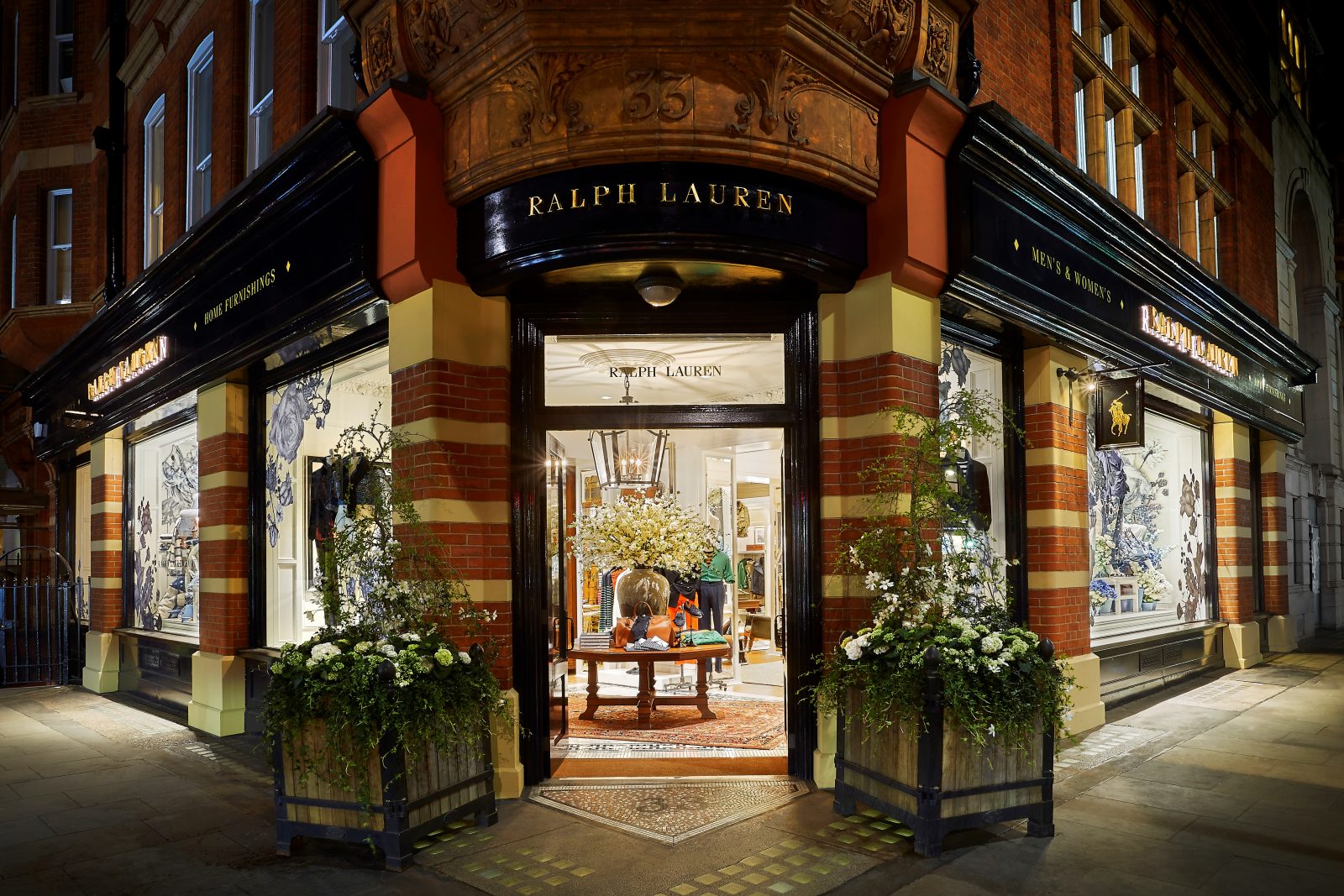
Shifting Values
The luxury fashion industry is currently grappling with a value crisis. Ever since the pandemic, unprecedented events have now become the norm as geopolitical tensions continue to evolve and the market learns to pivot and adapt on the fly.
European maisons have built their customer base on exclusivity and heritage. Customers clamoured to spend tens of thousands for one of 10 pieces in the entire world. But this somewhat arcane model is not working anymore. Since prices have risen by 61% in the past 7 years, many heritage houses find themselves staring up at a Value Ceiling where consumers struggle to justify the math.
Aspirational buyers re-evaluate their spending priorities, while HNWIs turn to more experiential purchases. This shift completes the departure from conspicuous consumption (see more on that here) towards a more meaningful manifestation, where the value of a purchase is measured by its emotional resonance rather than its rarity.
Yet while these brands are struggling to regain their footing, others are proving that the Value Ceiling may not be a fixed price, but a psychological construct. Recent research suggests that this ceiling may be elastic, with consumers moving their focus on purely economic value to satisfying emotional needs and a sense of novelty and curiosity.
What is the Psychology Behind This?
To understand why this shift is occurring, we must look at the underlying architecture of luxury consumer psychology. The value of luxury is based on five key pillars: Functional, Social, Emotional, Novelty, and Economic. These pillars interact with each other to influence how consumers feel about a brand and their shopping behaviour.
A synthesis of multiple research articles found that emotional value has the strongest overall impact on consumer perceptions and actions, which is in turn driven by a strong desire for novelty and creativity. This is mirrored across the industry, with commercial reports detailing how 62% of consumers feel an emotional connection to the brands they buy from most.
While Emotional and Novelty value factors are increasing in importance, the Economic value of luxury items has diminished since 2019. This means that consumers are no longer judging brands solely on their price point. In a world of constant flux and anxiety, consumers are using luxury as a psychological buffer and viewing purchases as emotional investments that provide a sense of joy and psychological security.
Ralph Lauren and Mastering the Value Equation
While these pillars provide a theoretical roadmap, few brands have executed this pivot as effectively as Ralph Lauren. The All-American brand has doubled its Average Unit Retail while still maintaining record brand health. This strategy comes from investing more and more in the storytelling and in-store experience, or what CEO Patrice Louvet calls the numerator of Ralph Lauren’s value equation. The brand’s investment in hospitality ventures (like Ralph’s Coffee) and the latest foray into home goods at the Salone del Mobile Milano 2026 have proven to be successful in solidifying their commitment to being a lifestyle brand more than a fashion one.
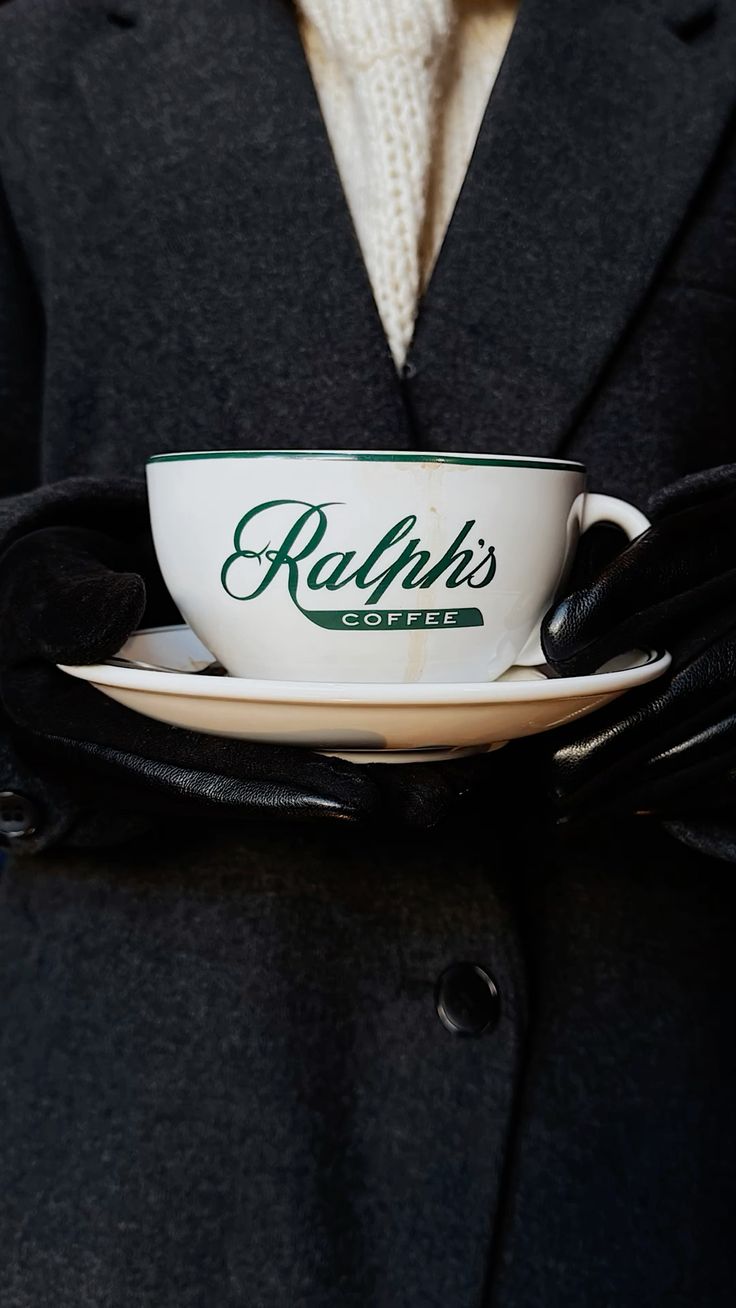
This expansion into hospitality and home goods is a strategic move to encourage psychological ownership, with purchases acting as a psychological buffer. Service-oriented settings allow stronger social and emotional values to foster as opposed to a purely product-oriented setting like ecommerce or a standard brick and mortar store. By engaging consumers in Ralph Lauren’s immersive flagships and restaurants, the brand steps beyond the threshold of a transactional relationship into a space where customers can truly live in, sheltered from reality.
The proof is in the pudding. Ralph Lauren is spotlighted on the Lyst Index with their iconic quarter zip jumper being crowned the Hottest Product for Q4 2025. The brand also lands in the top 5 hottest brands list, jumping 5 places and seeing a +24% QoQ demand on Lyst. Recently, Quiet Luxury and 90s minimalism has evolved into Borecore, which prioritises practicality and perennial designs over trends. The success of these modern classics suggests that the Value Ceiling is managed not through pricing strategies, but through the maintenance of cultural relevance and narrative integrity.
However, navigating a flexible Value Ceiling requires a delicate balance of presence and preservation, especially amongst Gen Z. While the fashion zeitgeist favours timelessness over trends, specific hero items still rotate in the spotlight. While the quarter zip has its moment with a new generation, Ralph Lauren can capitalise on their peak and turn Borecore enthusiasts into lifelong advocates by showing them how their entire catalogue fits with their needs.
The Future of the Value Ceiling
Staying ahead of luxury value perceptions takes a keen understanding of how consumer sentiment shifts alongside the cultural climate. As we continue to move into a Borecore era, it is becoming clear that the Value Ceiling is not a rigid financial barrier, but a narrative one. It is the moment when the brand’s world stops becoming believable.
Creative Director of Coach (another successful case study) Stuart Vevers aptly notes how desirability carries more weight than the archaic barrier of exclusivity. Brands that prioritise openness and engagement with their consumers ensure that luxury is felt, not just seen.
It requires forgoing the usual high-friction experiences. Trading long lines with strict security and haughty sales assistants for a welcoming and immersive atmosphere that encourages customers to linger (AKA increase dwell time).
Ultimately, history and status are not enough to justify the much larger price tag. Brands that continue to outpace the market are those that can bridge the gap between brand, product, and person. By offering real personality and immersive storytelling, luxury investments can be seen as an access point to a better life. In doing so, brands like Ralph Lauren can keep pushing the ceiling to higher and higher heights.
References
- https://onlinelibrary.wiley.com/doi/full/10.1002/mar.22120
- https://wwd.com/fashion-news/designer-luxury/ralph-lauren-fall-2026-home-collection-connection-fa...
- https://www.businessoffashion.com/user/document-viewer/?payload=eyJjdGFMaW5rIjoiaHR0cHM6Ly9jZC5id...
- https://www.businessoffashion.com/articles/luxury/what-european-luxury-can-learn-from-american-fa...
- https://www.lyst.com/the-lyst-index/q4-25/